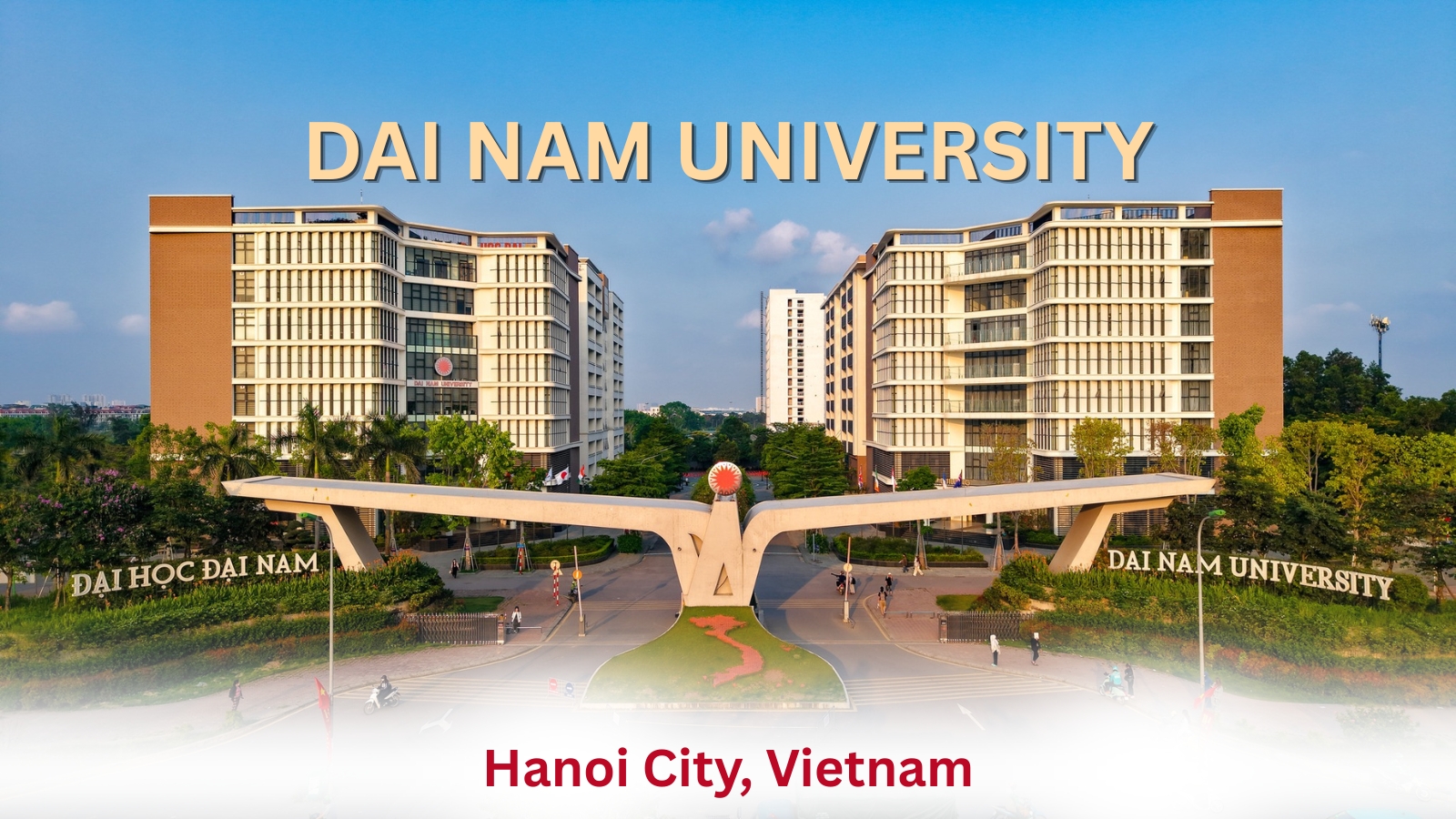
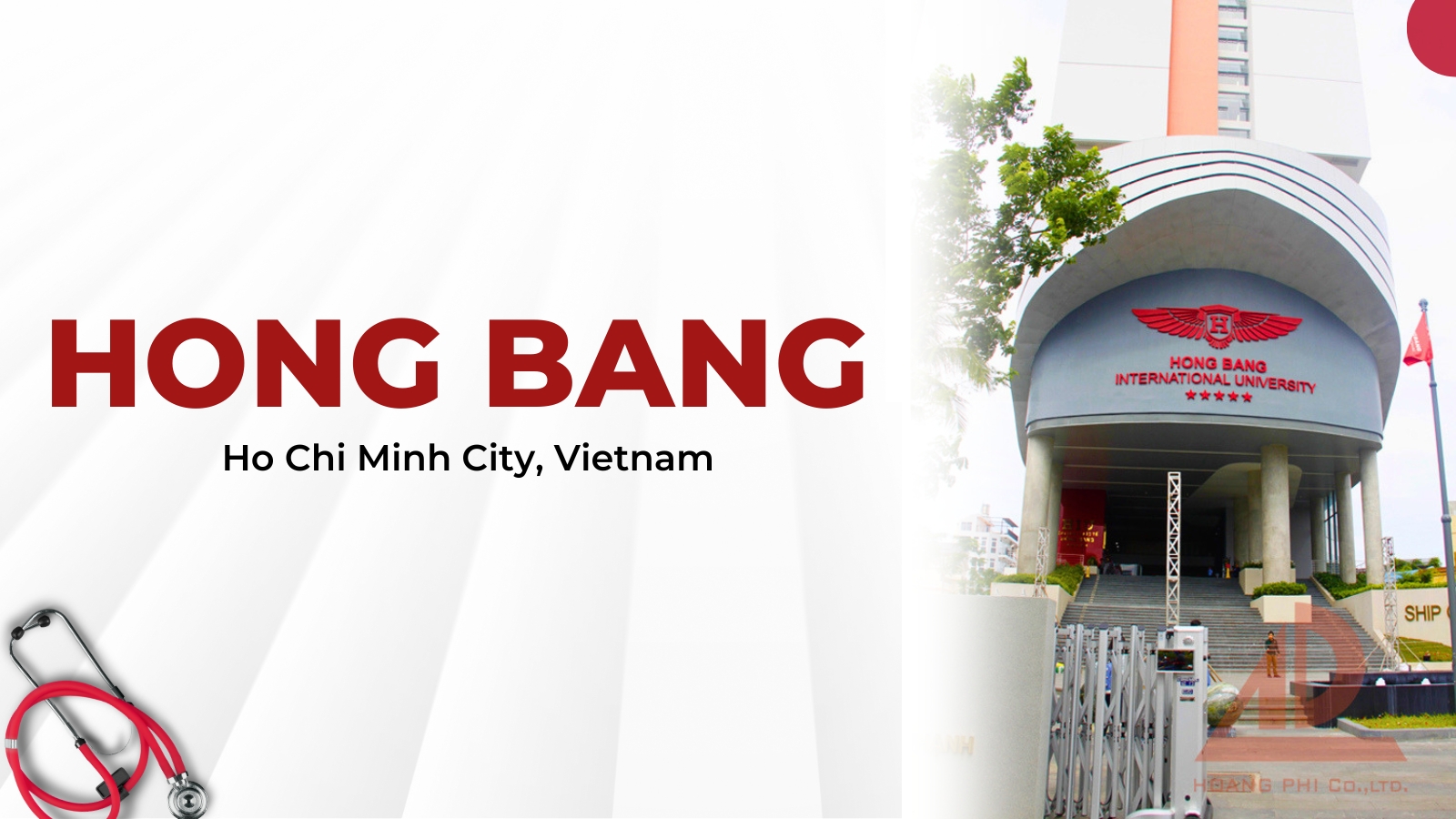
Overview
Vietnam has become the newest trending place for Indian students aiming at a cheap yet nice high-quality medical system. India is home to several advantages including low international tuition fees, an academically rigorous system and a colourful culture. India and Vietnam have historically enjoyed close political relations while the Indian community in Vietnam has always received warm support locally, making it easier for students to have a smooth transition.
All of the medical universities in Vietnam are accredited by global and national authorities, like World Health Organization (WHO) / National Medical Commission (NMC), New Delhi; Ministry of Human Resource Development. They provide the full MBBS curriculum (in English) with good emphasis on clinical exposure and practical training. Studying MBBS in Vietnam is a cost-effective option for Indian students as they won’t be paying higher tuition fees at private medical colleges in India.
Vietnam at Glance
Vietnam is one of the top 15 most populous countries in the world, with about 99 million residents, located in South East Asia. North, west and south of it there are China, Laos and Cambodia respectively while the east part is bounded with South China Sea. Hanoi is the capital, while Ho Chi Minh City is the most populous city in Vietnam. Fueled by strong economic growth, Vietnam has pursued a vision of becoming one of the leading high-income economies in 2050.
Why Study MBBS in Vietnam
Affordable Tuition Fees:
Medical education in Vietnam costs significantly less than in many western countries or private Indian colleges. The average yearly tuition ranges between ₹2.75 lakh and ₹4 lakh, offering a high return on investment (ROI).
Favorable Living Costs:
Vietnam is popular for its low cost of living and student-friendly environment. International students can comfortably maintain a high-quality lifestyle without overextending their budget.
Quality Education:
Universities are known for engaging teaching techniques, modern infrastructure, and organized curricula. They maintain an optimal student-teacher ratio, ensuring smaller classes and personalized academic attention.
English-Taught Programs:
Many medical universities conduct all lessons, textbooks, and examinations entirely in English, ensuring a seamless transition for Indian students.
Easy Admission Process:
The admission process is straightforward. There are no highly competitive English proficiency tests like IELTS or management exams like GMAT required for standard enrollment, and universities do not demand donations or capitation fees.
Clinical Exposure:
The curriculum features a 1-year, all-inclusive clinical internship under the strict supervision of reputed medical experts, meeting global medical standards.
International Career Opportunities:
Degrees are recognized globally by the WHO, NMC, FAIMER, ECFMG, and WDOMS, enabling graduates to clear screening exams and practice worldwide.
Cultural Experience:
Students immerse themselves in a welcoming, globally praised culture, opening doors to diverse traditions, history, and broader worldviews.
Cost of the MBBS Program in Vietnam: A Quick Glance
Tuition fees for studying medicine in Vietnam vary depending on the university's location, infrastructure, and whether it is a government or private institution. To help you plan your budget, below is the estimated MBBS fee structure for Indian students across some of the country's prominent medical universities:
| Type of Expense Approx. | Cost (in USD) |
|---|---|
| Tuition fee per year | 13000 |
| Accommodation | 1000 |
| Mess | 1000 |
| Visa | 600 |
| Medical Insurance | 100 |
| Total Expense | 15700 |
Eligibility Criteria
To secure admission to a Vietnamese medical university, candidates must satisfy basic prerequisites outlined by global bodies and the National Medical Commission (NMC):
- Age: Minimum of 17 years old by December 31st of the admission year.
- Educational Qualification: Passed 10+2 (Higher Secondary) with at least 50% aggregate marks in Physics, Chemistry, and Biology
- Admission Test: NEET-UG qualification is mandatory for Indian students who intend to sit for the screening test and practice medicine in India. (Note: Advanced tracks like a Diploma in Aesthetic Medicine or PG pathways require a prior Medical Degree or Science Graduation).
- The enrollment roadmap is organized in a systematic manner. Most key applications start in September, with documentation often due by mid-July.
- Enrollment & Registration:
Begin the university profile evaluation process by submitting the base application registry and baseline enrollment fees. - Digital Documentation:
Upload the tested, digital copies of Academic Mark sheets, Passport particulars and Health Report immediately on the official admission portal of the varsity. - Document Verification & Translation:
The university then goes through the academic files They check this compliance either by translating the transcript into Vietnamese or verifying an English version, which the language must also be certified separately. - Offer & Admission Letter:
After validating the documents, an official Admission Offer Letter is issued from the university and confirmed with a formal Acknowledgement/Admission Letter confirming acceptance. - Apostille & Notarization:
Original copies of academic certificates and NEET records are to be sent for notarization, verification, and why Apostille stamps from relevant government offices in India and Vietnam. - Letter of Invitation:
After the legal verification, an official LOI is created by the university. This is the legal document for Processing of your student visa. - Visa Processing:
Send the LOI and your passport to embassy for the student visa. Visa processing takes, on average, 10 to 15 working days; the visa is valid for a year and has to be renewed annually while in Vietnam. - Departure & On-Campus Transition:
Finalize travel details like, book your flights, reserve foreign exchange and also buy international SIM cards. Once you reach Vietnam airport assistance, transfer to campus and allotment of hostel room will accommodate you.
Frequently Asked Questions
The
entire course structure is usually covered in 6 years. It comprises of 5 years
of rigorous academic study through structured coursework and theory classes,
thereafter followed by a year-long compulsory clinical training and rotation
internship.
Yes.
Good ROI- Affordable tuition, low living expenses, modern university
infrastructure, safe studying conditions and globally recognized medical
degrees.
Although a fantastic low-cost destination, students soon realize there are minor cultural barriers or that they may have to learn some Vietnamese to communicate with patients (outside of campus/hospital) during their nugget’s year of electives.
Yes.
Medical Degree from Vietnam are recognized in India, as long as they have a
university that is recognized by the WHO/WDOMS and the candidate fulfills all
other applicable requirements defined by National Medical Commission (NMC),
including qualifying for NEET-UG prior to departure.
Tuition
rates based on individual cities and specific universities vary slightly but
the total comprehensive cost of a 6-year course typically lies within the range
INR 25 Lakhs to INR 30 Lakhs (tuition + cost of living).
From
the year 2017 onwards, all Indian Citizens or Overseas Citizen of India (OCI)
have to sit for a National Eligibility Entrance Test (NEET).
Although
most Vietnamese universities use the NEET exam for their local baseline
selection, you could technically apply, get admission on standard tracks. But
if you are going to be serving in India by practicing medicine, clearing
NEET-UG is absolutely compulsory as per NMC guidelines. You cannot sit for the
Indian Licensing exam without it.
In
fact, the average FMGE passing percentage among medical universities across
Vietnam rests as high as 20% to 25%, making it one of the most competitive
foreign destination countries.